
close
We promote R&I cooperation between Korea and Europe.
News & Activities

(Registration Open) Korea-EU Horizon Europe Researchers Networking Forum on Advanced Biotechnology (Cluster 1 Matchmaking event)

  • 작성자 profile_image최고관리자
  • 날짜 June 12. 2025

본문

About the forum


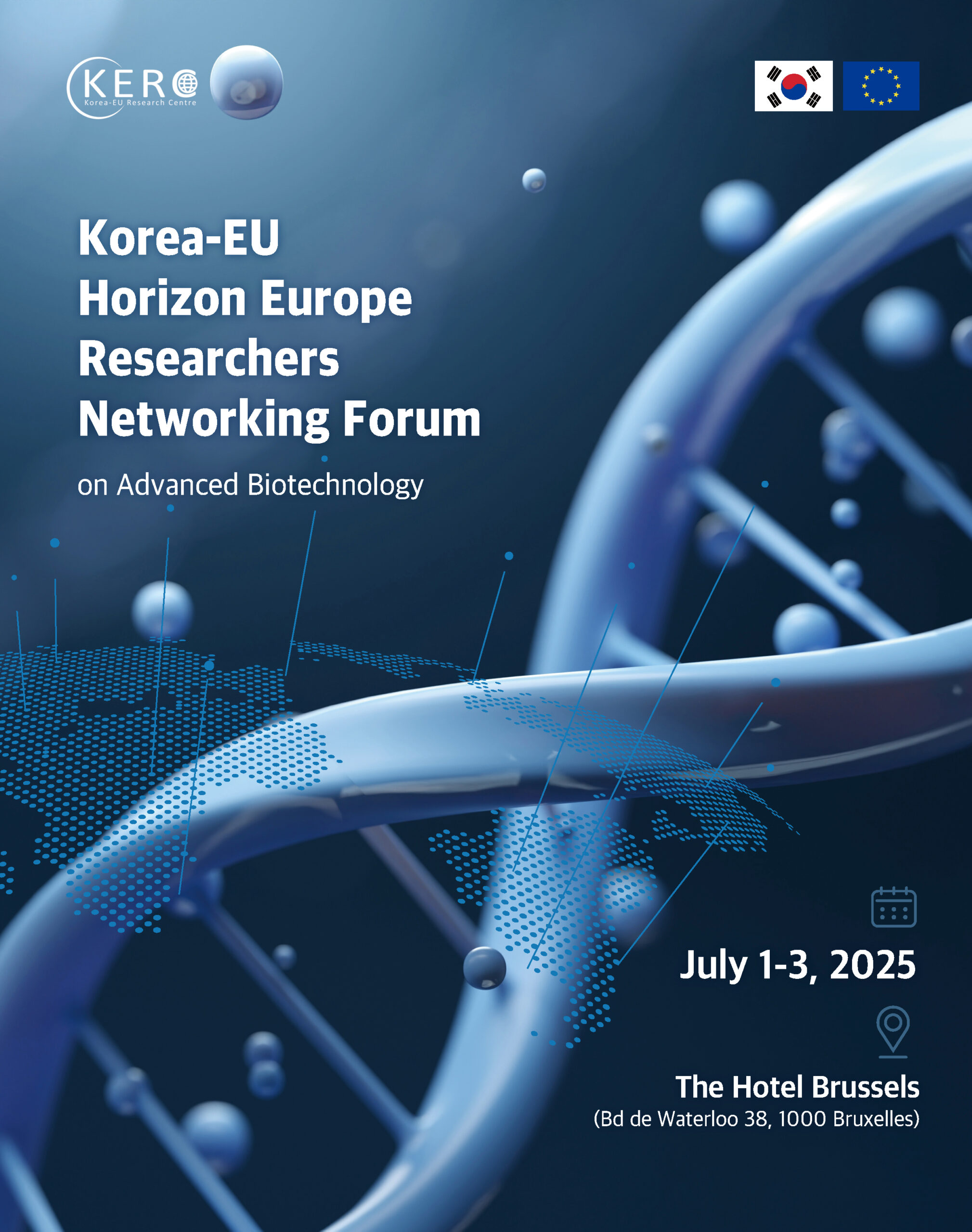
The forum aims to promote collaboration between Korean and European researchers by facilitating networking and partnership opportunities within the Horizon Europe framework. Bringing together 12 leading researchers from Korea and 24 distinguished researchers from Europe, the event will serve as a platform for knowledge exchange, joint research exploration, and international collaboration in advanced biotechnology. 


  • Date: 1–3 July, 2025
  • Location: The Hotel Brussels (Bd de Waterloo 38, 1000 Bruxelles)


Previous edition on AI:

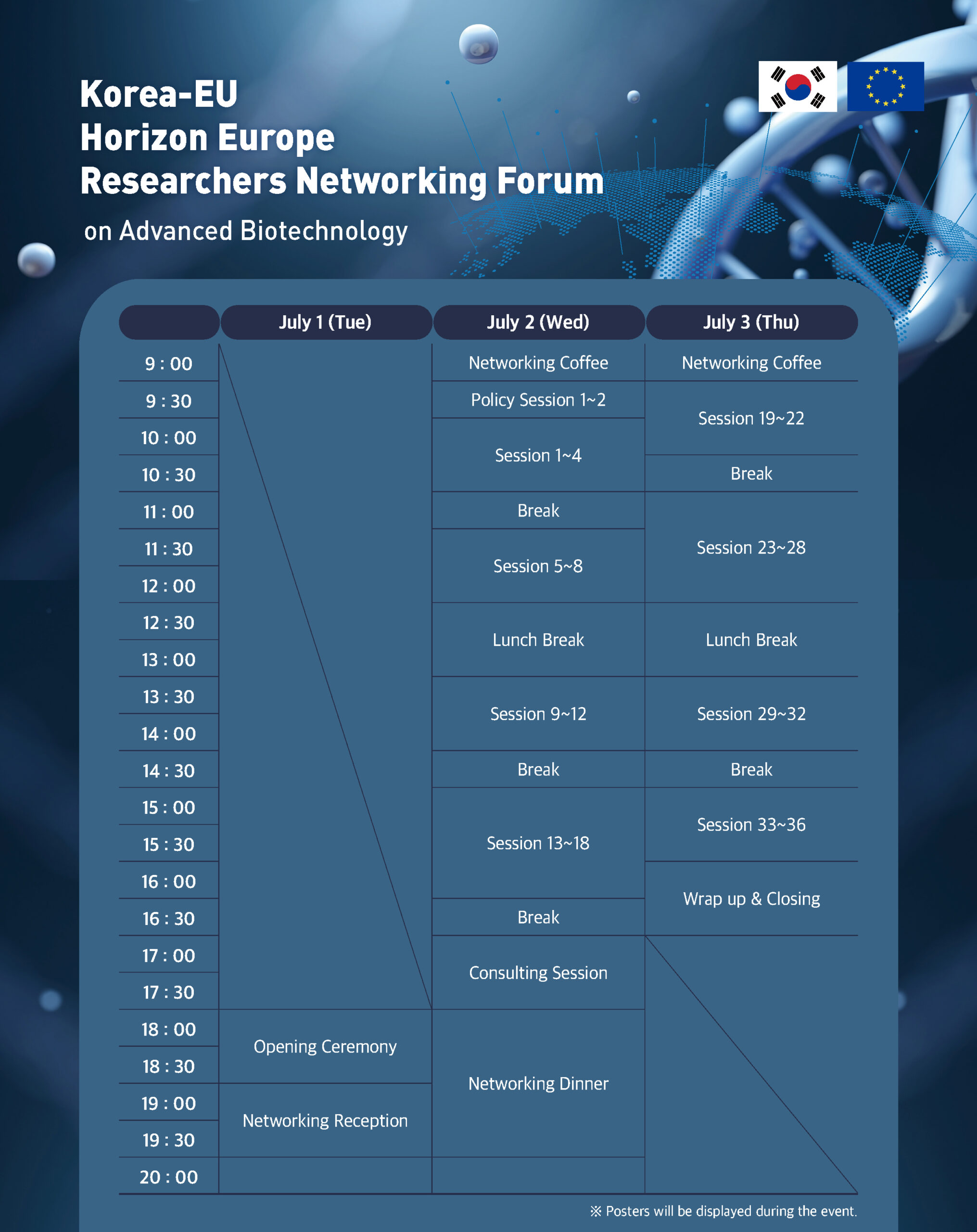
Poster & Programme

Registration


Alongside the 36 selected researchers (session speakers), registration is open for additional attendees (observers), including researchers, NCPs, consultants, support officers, and stakeholders. Those who wish to engage in the dynamic Korea-EU research collaboration in the field of advanced biotechnology, register now to secure your participation through the 'Register Now' button below. 

Korean Participants

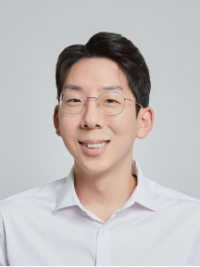
Joon Ho Kang

Assistant Professor

Seoul National University
Biography

I earned my Ph.D. in Physics from the Massachusetts Institute of Technology (MIT), where I developed suspended microchannel resonator (SMR) technology for high-sensitivity measurements of mass, volume, and stiffness in biological samples. During my doctoral studies, I was supported by the Samsung Scholarship (2012–2017). Prior to that, I received a B.A. in Physics, with a minor in Mathematics, from Columbia University, where I was awarded the Presidential Scholarship for Overseas Studies (2008–2012), a distinction granted to only ten students nationwide. Following my Ph.D., I worked as a Research Scientist and later Senior Research Scientist at the Brain Science Institute of the Korea Institute of Science and Technology (KIST) (2019–2023). Since Fall 2023, I have been an Assistant Professor in the Department of Mechanical Engineering at Seoul National University (SNU), where I lead the Precision Bioinstrumentation Laboratory (KANG LAB).

Research Area / Interest

My primary research area is bioinstrumentation and biophysics, with a focus on developing advanced tools to monitor and analyze the physical and functional properties of living cells. My lab takes an interdisciplinary approach, integrating MEMS, microfluidics, and optical systems to achieve real-time, high-resolution analysis of cellular properties.

A distinctive aspect of our approach is the quantitative analysis of single-cell mechano-physical properties, such as shape, volume, density, mass, and stiffness. In particular, we are interested in capturing and interpreting the mechanical vibration signatures of individual cells. These signals provide a label-free, non-invasive means of classifying cells and uncovering diverse biophysical traits that are often overlooked by conventional biochemical assays.

The overarching goal of our work is to enable precise diagnosis and phenotyping of cellular states, with broad applications in disease monitoring (e.g., cancer, immunological conditions), neurological disorder research, and quality control for cell-based therapies.

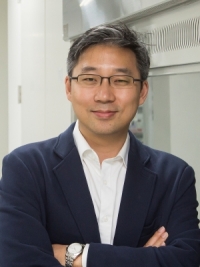
Jaewon Ko

Professor/Director

Daegu Gyeongbuk Institute of Science and Technology
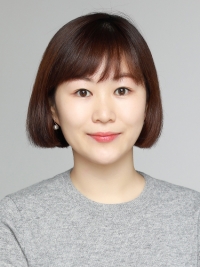
Biography

  • 08-2024.07 Visiting Professor, Dept. of Neurology, Stanford Univ., Stanford, CA, USA
  • 08-present Director, Center for Synapse Diversity and Specificity, DGIST, Daegu, Korea
  • 03-present Professor, Dept. of Brain Sciences, DGIST, Daegu, South Korea
  • 09-2022.02 Professor, Dept. of Brain & Cognitive Sciences, DGIST, Daegu, South Korea
  • 02-2018.08 Associate Professor (Tenured), Dept. of Brain & Cognitive Sciences, DGIST, Daegu, South Korea
  • 03-2017.01 Associate Professor, Dept. of Biochemistry, College of Life Sci. & Biotech., Yonsei Univ., Seoul, South Korea
  • 03-2017.01 Adjunct Professor, Dept. of Psychiatry, College of Medicine, Yonsei Univ., Seoul, South Korea
  • 09-2015.02 Assistant Professor, Dept. of Biochemistry, College of Life Sci. & Biotech., Yonsei Univ., Seoul, South Korea
  • 06-2011.08 Postdoctoral Researcher, Dept. of Mol. & Cell. Physiology, Stanford Univ., Palo Alto, CA, USA (Advisor: Dr. Thomas C. Südhof [2013 Nobel Laureate])
  • 11-2008.05 Research Fellow, Dept. of Neuroscience, UT Southwestern Medical Center, Dallas, TX, USA (Advisor: Dr. Thomas C. Südhof [2013 Nobel Laureate])
  • 2005.03-2007.10 Postdoctoral Researcher, Dept. of Biological Sciences, KAIST, Daejeon, South Korea (Advisor: Dr. Eunjoon Kim)

Research Area / Interest

  • Neuroscience
  • Synapse biology
  • Brain disorders

Yun Kyung Kim

Principal Research Scientist

Korea Institute of Science & Technology
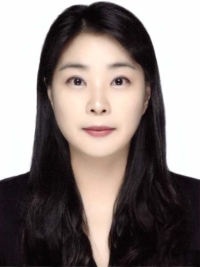
Biography

Yun Kyung Kim, Ph.D. is a tenured Principal Research Scientist at the Korea Institute of Science and Technology (KIST) and a Professor at the University of Science and Technology (UST). She received her B.S. and M.S. degrees in Biological Sciences from KAIST, and earned her Ph.D. in Chemical Biology from New York University, where she focused on the development of molecular disease platforms designed to monitor and modulate disease progression in real time—laying a solid foundation for her translational research in neurodegeneration.
Dr. Kim’s research is primarily devoted to tauopathies, a heterogeneous group of neurodegenerative disorders characterized by pathological tau protein aggregation. She is internationally recognized for developing the tau-BiFC (Bimolecular Fluorescence Complementation) platform, a patented imaging technology that enables real-time visualization of tau oligomerization in living cells and in vivo models. This innovation has become a critical tool for both mechanistic investigation and therapeutic development. She holds over 100 patents related to diagnostics and therapeutics for neurodegenerative diseases. In particular, her tau-BiFC-based cell and mouse models have been successfully licensed to multiple pharmaceutical and biotechnology companies for use in drug discovery and preclinical evaluation. Among her most notable translational outcomes is the development of DA-7503, a first-in-class tau aggregation inhibitor co-developed with Dong-A ST, which is currently undergoing clinical evaluation and was selected as one of Korea’s Top 10 Government-Funded Research Achievements in 2020.
In recognition of her scientific leadership and translational impact, Dr. Kim has received numerous national honors, including two Prime Minister’s Commendations for Excellence in Science and Technology (2018, 2024), the KIST Grand Prize (2021), and selection as both a KIST Young Fellow (2018) and a tenured principal investigator (2023). Her work continues to bridge fundamental discovery with clinical application, driving the development of innovative solutions for neurodegenerative brain disorders.

Research Area / Interest

Dr. Yun Kyung Kim’s primary research focus is tauopathy, a clinically and pathologically heterogeneous group of neurodegenerative disorders characterized by the aberrant aggregation of tau protein. Tauopathies, including Alzheimer’s disease, progressive supranuclear palsy (PSP), and corticobasal degeneration (CBD), present with diverse neuropsychiatric symptoms such as cognitive decline, executive dysfunction, personality changes, and motor impairment. This complexity reflects the spatial and cellular heterogeneity of tau pathology, posing significant challenges for early diagnosis and targeted treatment.
To address these unmet needs, Dr. Kim has developed a bimolecular fluorescence complementation (BiFC)-based tau sensor system and a corresponding tau-BiFC transgenic mouse model, which together enable real-time, in vivo visualization of tau oligomerization at the earliest pathological stages. These proprietary platforms have proven powerful for dissecting disease mechanisms and screening therapeutic compounds.Her team successfully identified DA-7503, a potent tau-targeting small molecule currently undergoing clinical evaluation, demonstrating the translational potential of the BiFC system. Building upon this foundation, Dr. Kim is now advancing a next-generation therapeutic discovery program aimed at developing isoform-selective agents that differentiate between 3-repeat (3R) and 4-repeat (4R) tau species—paving the way for precision therapeutics tailored to specific tauopathy subtypes. Looking ahead, she aims to leverage the tau-BiFC platform to drive early-stage, mechanism-informed, and disease-modifying interventions for tau-driven neurodegeneration.

Hong Sook Kim

Associate professor

Sungkyunkwan University
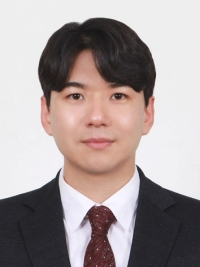
Biography

Dr. Hong Sook Kim is an Associate Professor at the Department of Biological Sciences, Sungkyunkwan University, South Korea. She earned her Ph.D. in Molecular Medicine from Seoul National University College of Medicine, and completed her postdoctoral training at the University of California, San Diego, focusing on epigenetic gene regulation and regulatory genomics.
Her academic training spans molecular biology, genomics, and biomedical informatics.
She has over 10 years of experience in next-generation sequencing (NGS)-based genomic and epigenomic research.

She utilized patient-derived samples to generate various types of genomic data such as whole genome sequencing, RNA-seq, single cell RNA-seq, ATAC-seq and others, and integrates these multi-omics datasets to identify diagnostic and therapeutic biomarkers for human disease. Her research further explores the molecular mechanism underlying these diseases using a combination of cellular, molecular and bioinformatic approaches. Her methodologies have been applied to diverse disease areas, including cancer, fibrosis, neuroinflammation and Alzheimer disease. In her recent work, she combines AI-based identification and experimental validation of non-coding variants and neo-genes to elucidate causal mechanisms in human disease.

She has led several national projects and serves as a Co-PI on a multi-institutional project that employs both bioinformatic tools and molecular/biochemical techniques. She is also experienced in international collaborations and academic-industrial interface projects.
Dr. Kim has published as first or corresponding authors in top-tier journals such as Nature, Nature Communications and Annals of Oncology.

She is committed to advancing precision medicine through the identification of diagnostic and therapeutic markers and by elucidating the regulatory networks and molecular mechanisms that drive human disease.

Research Area / Interest

Dr. Kim’s research focuses on three main areas.

1. Biomarker Discovery:

She is actively engaged in biomarker discovery, aiming to identify diagnostic, prognostic and therapeutic markers through multi-omics data analyses of both tissue and liquid biopsy samples. Her research focuses not only on marker discovery but also on elucidating their underlying molecular mechanisms and functions. This includes the development of non-invasive biomarkers for disease monitoring and therapeutic response assessment.

2. Genomic and Epigenetic Regulation:

She investigates the regulatory mechanisms of gene expression in human diseases, with a particular emphasis on integrative analysis of DNA mutation, chromatin accessibility, histone modifications, and transcription factor networks. Her work seeks to uncover how these regulatory layers contribute to disease onset and progression.

3. Precision Medicine and Therapeutic Stratification:

She leads studies in precision medicine, classifying molecular subtypes of human disease and predicting drug responsiveness using integrated genomic, transcriptomic, and clinical datasets. Her group applies advanced computational pipelines, machine learning models, and statistical frameworks combined with in vitro/in vivo functional validation.

Recently, she has focused on identifying non-coding mutations as biomarkers using AI-based methods and experimental approaches. She also develops customized pipelines to discover novel neo-genes involved in human disease. Through these efforts, Dr. Kim aims to contribute to the development of personalized and targeted therapeutic strategies in human disease.

Min-Jun Baek

Assistant Professor

Korea Advanced Institute of Science and Technology (KAIST)
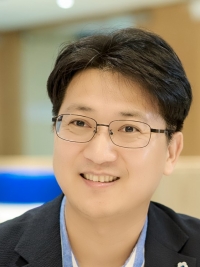
Biography

Dr. Min-Jun Baek, Pharm.D., Ph.D., is an Assistant Professor in the Department of Bio and Brain Engineering (BBE) at the Korea Advanced Institute of Science and Technology (KAIST). His research focuses on engineering next-generation organic nanocarriers for precision drug/gene editor delivery, disease imaging, and phototherapy.
Dr. Baek earned both his Pharm.D. and Ph.D. from the College of Pharmacy at Seoul National University, where he conducted extensive research in pharmaceutical sciences using nanoparticles. Following his doctoral studies, he worked as a research fellow at the Gordon Center for Medical Imaging at Massachusetts General Hospital and Harvard Medical School, where he focused on the near-infrared fluorophores for image-guided theranostics.
His work lies at the intersection of pharmaceutical nanotechnology and biomedical imaging, particularly in developing organic nanocarriers for targeted drug delivery and phototherapy. His research has been published in leading journals, including Nature Nanotechnology, ACS Nano, Journal of Controlled Release and Clinical and Translational Medicine.
Dr. Baek has received numerous honors, including the K-Medi Fellowship, the KASBP Fellowship, the Outstanding Young Researcher Award from the Pharmaceutical Society of Korea, and multiple Academic Awards.

Research Area / Interest

  • Drug delivery system
  • Nanomedicine
  • Phototherapy
  • Gene Editor Delivery
  • Bioimaging

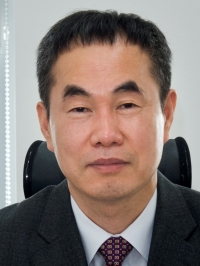
Sangwook Oh

Assistant Professor

Hallym University
Biography

I am an Assistant Professor at Hallym University in South Korea and currently serve as the Chief Technology Officer at EIONCELL Inc. I earned my Ph.D. in Biological Sciences from Seoul National University, where I investigated transcriptional regulation in T cell development. Following this, I advanced my expertise in immunotherapy as a postdoctoral researcher and later as a Senior Research Investigator at the University of Pennsylvania, where I focused on developing engineered T cell therapies for autoimmune diseases. My work contributed to the establishment of Chimeric Autoantibody Receptor T (CAAR-T) cell therapy, demonstrating antigen-specific B cell depletion in myasthenia gravis, and has been published in leading journals such as Nature Biotechnology and Science Advances. At Hallym University, I lead the Immunotherapy Lab, focusing on next-generation cellular immunotherapies for autoimmune diseases. I actively engage with global scientific communities and maintain collaborative partnerships with academic and industry leaders. In addition to my research activities, I am dedicated to mentoring young scientists and fostering multidisciplinary research that bridges basic immunology and clinical applications. I am eager to contribute to Horizon Europe’s mission through collaborative and translational research that addresses critical challenges in immune-mediated diseases.

Research Area / Interest

My research focuses on developing next-generation CAR and CAAR-T cell therapies to treat cancer, autoimmune, and inflammatory diseases. I am particularly interested in designing CAR/CAAR constructs that enable selective and efficient elimination of pathogenic cells while minimizing off-target effects. A key area of my work involves dissecting the signaling pathways downstream of CAR and CAAR activation, aiming to optimize their persistence, functionality, and clinical efficacy. By understanding and modulating these intracellular signaling cascades, I seek to overcome therapeutic challenges such as antigen heterogeneity, immune exhaustion, and treatment durability. My interests also extend to translating these mechanistic insights into clinically relevant models and human trials. Through interdisciplinary collaborations, I aim to bridge basic immunology and therapeutic innovation, ultimately advancing precision immunotherapies for patients with difficult-to-treat diseases.

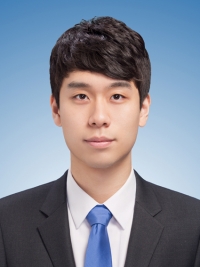
Eok-Soo Oh

Assistant Professor

Hallym University
Biography

After completing my PhD in cell biology at the University of Alabama at Birmingham, I completed postdoctoral training at Harvard Medical School and became a faculty member at Ewha Womans University in 1999. My research focuses on oncogenic signaling networks in the tumor microenvironment and cancer diagnosis and treatment. I am currently working on the development of anti-inflammatory and anticancer drugs based on the signaling mechanisms of ECM molecules.

Research Area / Interest

  • Extracellular matrix
  • Inflammation
  • Cancer
  • Therapeutic agent
  • Signal transduction

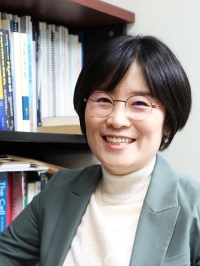
Seung Hun Lee

Assistant Professor

Dongguk University
Biography

Prof. Seung Hun Lee is an Assistant Professor and head of the Biomedical Tissue Engineering Lab at Dongguk University, South Korea. His research focuses on tissue engineering, biomaterials, stem cell engineering, and 3D biofabrication for regenerative medicine applications. He has particular expertise in injectable hydrogels, scaffold-based drug delivery systems, and iPSC-derived organoid and humanized mouse models. Prof. Lee received his PhD in Tissue Engineering from ETH Zurich, where he worked on stem cell–scaffold interactions and functional biomaterial design. He completed his MS in Bioengineering at Seoul National University and earned his BS in Biomedical Engineering from Boston University, establishing a multidisciplinary foundation across molecular biology, materials science, and biomedical device development. Prior to his academic appointment, Prof. Lee worked at Siemens Healthineers and Olympus as a Cardiac Angiography Product Specialist and Medical Education Trainer, gaining valuable insight into clinical needs, imaging systems, and translational challenges. This industry experience continues to inform his research, which bridges academic innovation and practical application. He has led and contributed to international collaborations across Switzerland, Sweden, Germany, Japan, and the U.S., and remains active in the academic community through peer review, invited talks, and graduate student mentorship.

Research Area / Interest

Prof. Lee’s research lies at the intersection of tissue engineering, biomaterials science, and stem cell technology, with a focus on developing clinically translatable platforms. His lab specializes in hydrogels, scaffold-guided tissue regeneration, and controlled drug delivery systems. He actively explores iPSC-derived organoids and humanized mouse models. Ongoing projects involve synthetic biomaterials for osteochondral and musculoskeletal repair, 3D printed constructs for skeletal muscle modeling, and modular platforms for stem cell differentiation. Prof. Lee is particularly interested in translational applications and international collaboration across academia and industry to bridge regenerative science and real-world impact.

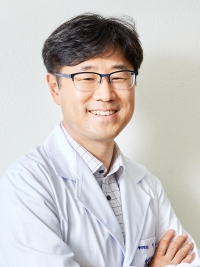
Seung-Hee Lee

Associate Director/Associate Professor

IBS/KAIST
Biography

Dr. Seung-Hee Lee is an Associate Professor at KAIST and Associate Director of the Center for Synaptic Brain Dysfunction at the Institute for Basic Science (IBS) in South Korea. A leading neuroscientist in the field of circuit-level brain function, her research focuses on the mechanisms underlying sensory perception, multisensory integration, and cognitive flexibility. Her work is especially relevant to understanding and intervening in mental, behavioral, and neurodevelopmental disorders such as autism spectrum disorder and Alzheimer's disease. Dr. Lee’s interdisciplinary approach combines optogenetics, large-scale in vivo recordings, calcium imaging, neurogenetics, and human–mouse chimeric models. She has published extensively in top-tier journals including Nature Neuroscience, Neuron, Nature Communications, and Science Advances, and has received numerous international honors, including the ALBA–Elsevier Award Lecture and the Amgen–KAST Biotechnology Award. Dr. Lee is actively participating in global research networks and international symposia aimed at advancing neuroscience and brain health.

Research Area / Interest

Dr. Seung-Hee Lee investigates the neural circuit mechanisms underlying multisensory integration and top-down modulation, with a particular focus on how dysfunctions in these processes contribute to mental disorders. Through projection-specific optogenetics, circuit mapping, and in vivo behavioral paradigms, her team uncovers how distinct brain regions communicate to guide perceptual decisions and goal-directed actions.
Employing in vivo extracellular recordings and calcium imaging, Dr. Lee maps the functional architecture of sensory circuits during naturalistic and cognitively demanding behaviors. These functional approaches are complemented by whole-brain anatomical tracing and projection-specific optogenetic perturbations with viral and chemical tools, enabling dissection of long-range cortical-subcortical communication. She also leverages human neuron transplantation into mouse brains to study disease-relevant mechanisms in a humanized context.
Dr. Lee is particularly interested in circuit-level pathophysiology underlying autism and Alzheimer's disease, and in identifying intervention points for rebalancing disrupted neural computations. Her work directly aligns with the Horizon Europe mission to develop innovative, mechanism-based interventions for brain disorders, and she seeks to expand EU–Korea partnerships through translational neuroscience, neurotechnology, and comparative cross-species modeling.

Yong-Seok Lee

Professor

Seoul National University College of Medicine

Biography

Yong-Seok Lee is a professor at Seoul National University College of Medicine, specializing in memory mechanisms. He also served as a Visiting Affiliated Professor at th